Table of contents
ToggleWhen you settle into your seat and the cabin lights dim for takeoff this December, you are entering one of the most sophisticated environments ever created. While passengers focus on the weather outside the window, the real magic happens in a digital realm managed by Air Traffic Management (ATM). Often described as the «invisible infrastructure,» ATM is the digital brain that coordinates a continent-wide highway system with no lanes or stoplights, where thousands of vehicles move at nearly 1,000 km/h in a three-dimensional dance.
Orchestrating the «Grand Prix» of Travel
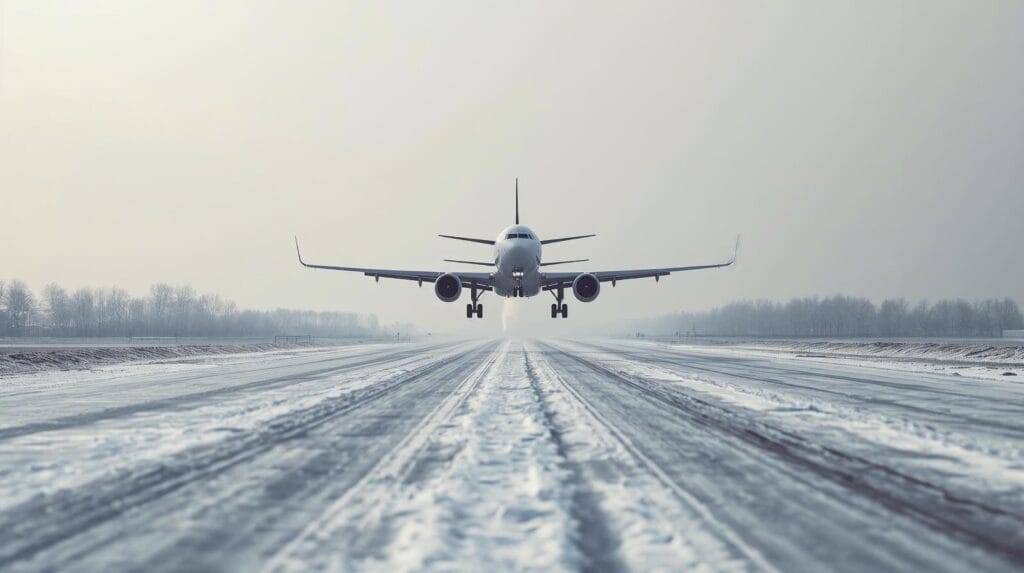
The scale of this operation during the festive season is staggering. In December 2024, European airspace handled over 781,000 flights, marking a 4.9% increase over the previous year. On peak days, such as the Friday before Christmas, the network manages nearly 30,000 flights in a single 24-hour period. Without the constant, millisecond-by-millisecond calculations of ATM systems, the sky would quickly descend into gridlock. These systems predict where every plane will be hours in advance to prevent «sector overloads.» If a winter storm hits a major hub like London Heathrow, the ATM network strategically reroutes flights—sometimes thousands of kilometers away—to ensure a local delay does not compromise the safety of the entire European network.
The Silent Shield Against Digital Threats
As aviation becomes increasingly digitalized, it faces challenges that go beyond heavy traffic and snow. The industry is currently contending with a significant rise in cybersecurity risks. Recent reports from 2025 indicate a 600% year-on-year increase in aviation-related cyberattacks, with hackers often timing their strikes to coincide with high-traffic holiday periods to maximize chaos. These «digital Grinches» attempt to disrupt everything from ticket sales to the integrity of flight data.
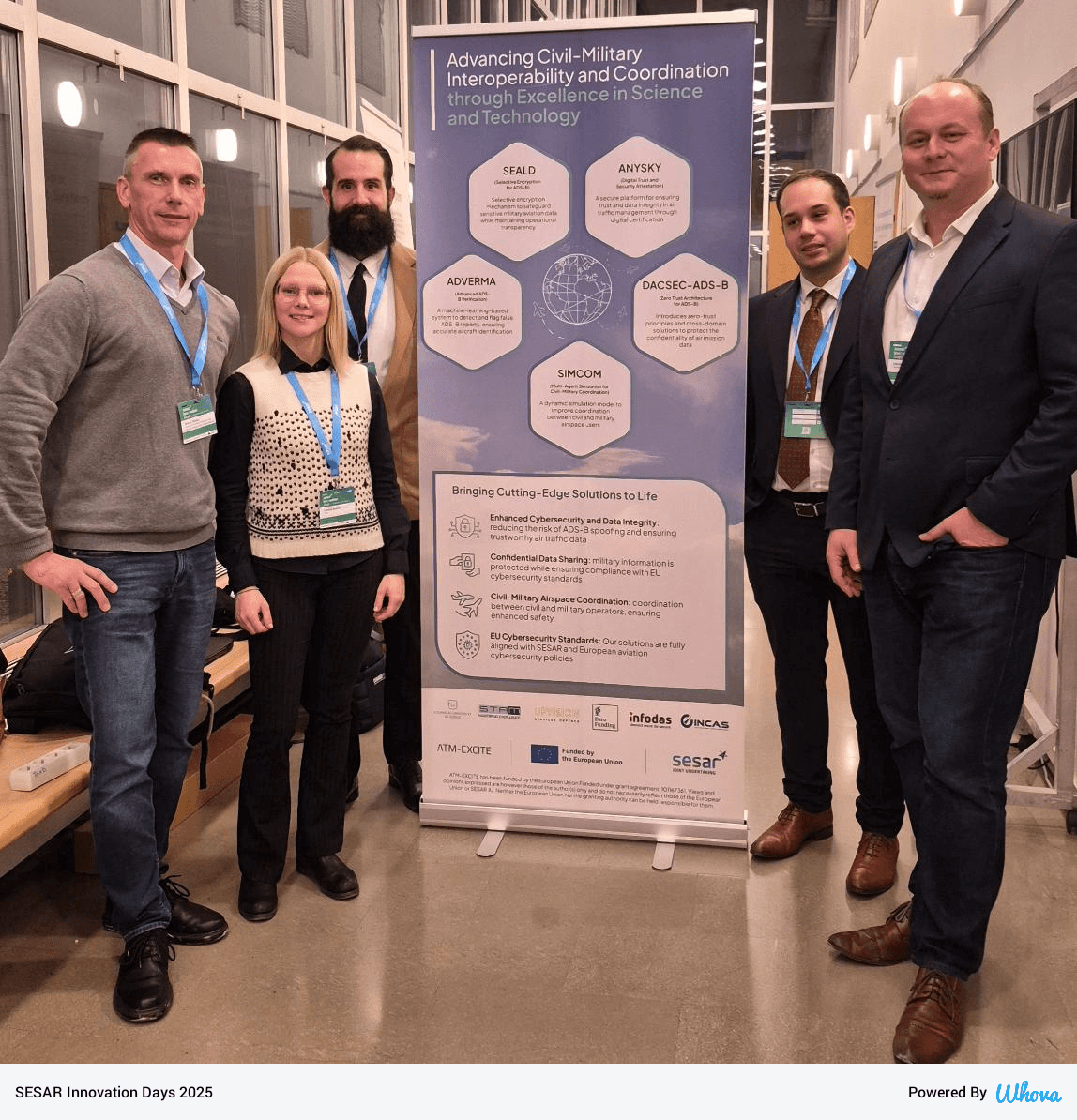
This is why the mission of projects like ATM-EXCITE is so vital. By developing frameworks for «Digital Trust,» we are creating a secure, encrypted «passport» for every piece of data a plane sends or receives. This ensures that the navigation signals and mission trajectories followed by pilots are authentic, verified, and protected from interference.
Efficiency: Saving Time, Money, and the Environment
The importance of ATM can also be measured in its tangible impact on your travel experience and the economy. Research shows that operational disruptions in a large airport during peak hours can cost approximately $1 million per hour. Conversely, efficient ATM coordination helps mitigate these costs and reduces the «congestion premium» often passed on to travelers.
Beyond the financial aspect, ATM is a critical tool for sustainability. By utilizing Flexible Use of Airspace (FUA)—a process where military authorities release restricted areas for civil use during peak times—ATM allows planes to fly more direct routes. These «shortcuts» in the sky can save minutes on every flight, which cumulatively prevents thousands of tons of CO2 emissions from entering the atmosphere during the holiday rush.
A Shared Horizon for 2025
Ultimately, the work of ATM is about human connection. As part of an EU-funded consortium bringing together experts from Spain, Germany, Romania, Italy, Czechia, and Slovakia, we are dedicated to ensuring that the tools guiding your flight remain secure and interoperable. When you see the lights of another aircraft passing safely in the distance tonight, you are witnessing the success of a silent, pan-European collaboration. We are building the secure skies of tomorrow so that you can focus on the joy of the holidays today.
Follow us on LinkedIn to stay updated on our next steps and future events!